
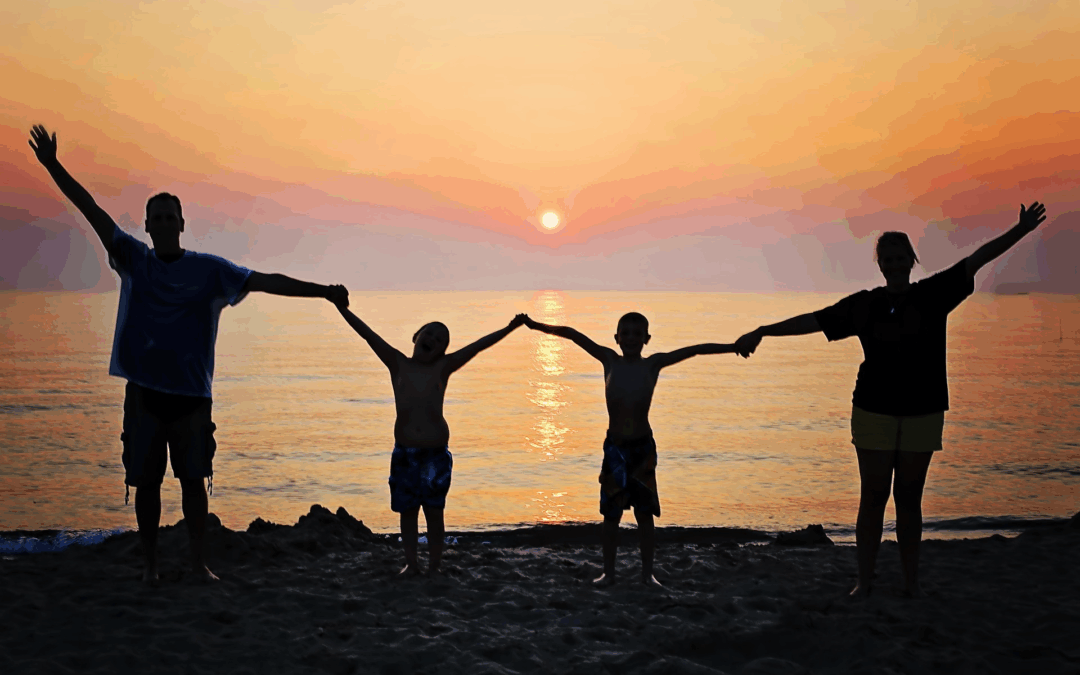
Imagine your kids squealing with delight as a sea turtle glides under their kayak paddle…
Feel your parents grinning as they spot dolphins racing alongside your boat…
And realize this isn’t just another vacation — it’s a family legend in the making.
Welcome to Family Adventure Travel — the only kind of trip where every generation walks away with their own unforgettable story.
Whether you’re planning your first multigenerational getaway or your tenth, this guide shows you exactly how to create safe, joy-filled, bucket-list moments for toddlers to grandparents — from gentle snorkeling with sea life to tide-pool discoveries that captivate every age.
👉 Ready to unlock the best family adventure trips that actually bring everyone together?
What is Soft Adventure Travel for Families?
Soft adventure travel represents the perfect sweet spot for multi-generational family vacations. Unlike extreme adventure tourism that requires peak physical fitness, soft adventure experiences combine comfortable accommodations with engaging outdoor activities that accommodate varying ages and mobility levels.
Think comfortable beds with pillow-top mattresses after a day of kayaking crystal-clear waters. Imagine fresh, chef-prepared meals following morning snorkeling sessions with playful marine wildlife. Picture your 75-year-old parent and your 8-year-old sharing wonder at the same whale breaching just feet from your boat.
Key characteristics of soft adventure family travel include:
- Comfortable, often boutique accommodations in remote natural settings (glamping yurts, eco-lodges, small inns)
- Activities suited for multiple fitness levels with options to participate as much or as little as desired
- Small group sizes (typically 10-18 people) ensuring personalized attention
- Expert naturalist guides who educate while keeping everyone safe
- All-inclusive packages that eliminate vacation planning stress
- Pristine, off-the-beaten-path locations far from crowded tourist destinations
- Sustainable, eco-friendly practices that teach environmental stewardship
Why Multi-Generational Adventure Travel Creates Lasting Bonds
Grandparents: The Ultimate Gift-Givers
One of the most beautiful trends in family adventure travel is grandparents investing in experiences rather than material gifts. Instead of another toy that will be forgotten by next month, forward-thinking grandparents are paying for entire family trips—adult children, spouses, and grandchildren all together—creating memories that literally last lifetimes.
These multigenerational vacations serve a profound purpose beyond just fun:
Strengthening family identity: Shared adventures become family lore. “Remember when Grandpa caught that fish?” or “The time cousin Maya first snorkeled with sea lions?” become stories retold at every gathering for decades.
Bridging generational gaps: Teenagers who barely look up from their phones at home suddenly engage in real conversations during sunset boat rides. Technology becomes irrelevant when you’re surrounded by breaching whales or exploring tide pools together.
Creating living legacies: Grandparents share wisdom and life lessons naturally during quiet moments—paddling kayaks side-by-side, watching stars from a beach hammock, or preparing fresh-caught seafood together during happy hour.
Preventing family drift: When families gather only for weddings and funerals, connections weaken. Annual or bi-annual adventure trips create touchstones that keep extended families emotionally connected as children grow and life gets busier.
Siblings Reconnecting
It’s not just grandparents initiating these trips. We’re seeing adult siblings—often in their 40s, 50s, and 60s—who haven’t traveled together since childhood, organizing brother-sister reunions. After parents pass, these trips become essential for maintaining bonds that might otherwise fade with geographic distance and busy lives.
Activities That Bring All Ages Together
The magic of soft adventure travel lies in activities that engage everyone from elementary-aged children to great-grandparents, each at their own comfort level.
Water-Based Adventures

Snorkeling: Perhaps the most democratizing outdoor activity, snorkeling requires minimal physical fitness but delivers maximum wonder. Six-year-olds and seventy-year-olds float side-by-side, equally amazed by colorful fish, curious sea lions, or graceful sea turtles. Modern snorkel vests provide extra buoyancy for anyone less confident in water.
Swimming with Marine Life: Snorkeling alongside playful dolphins, curious sea lions, or—during certain seasons—gentle whale sharks creates transformational moments. These intelligent creatures often interact directly with humans, particularly children, in ways that feel almost magical. Whale sharks (the world’s largest fish, yet completely harmless plankton-eaters) appear in some locations from August through November, offering once-in-a-lifetime swimming encounters.
Whale and Dolphin Watching: Zero physical exertion required, maximum emotional impact delivered. There’s something universally moving about witnessing these magnificent creatures in their natural habitat. Gray whale mothers often approach boats with curious calves, creating eye-level encounters that leave entire families speechless with wonder. Dolphins frequently bow-ride alongside boats, entertaining passengers with their acrobatic displays.
Land-Based Exploration
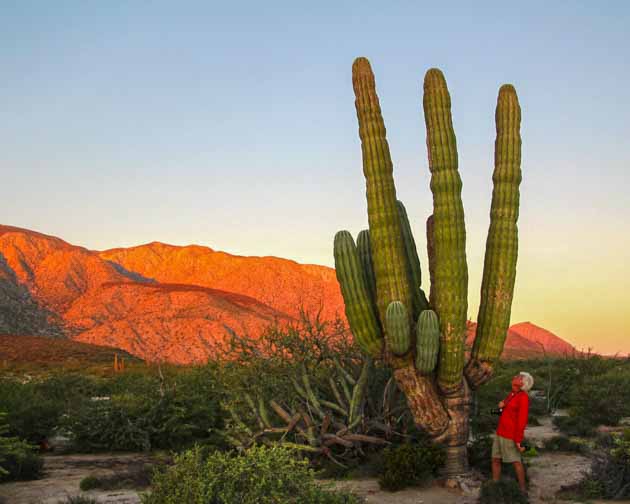
Tide Pool Exploration: Low-impact and endlessly fascinating, tide pool investigations appeal to children and adults alike. Finding colorful starfish, hermit crabs, and sea anemones requires only the ability to carefully walk on rocks and bend down to observe.
Bird Watching: Binoculars are the great equalizer. From the comfort of your eco-lodge deck or boat, families can spot dozens of seabird species. It’s a perfect activity for less mobile family members who can fully participate without physical exertion.
Fishing: Simple line fishing from shore or boat requires minimal skill but provides both relaxation and excitement. The pride on a child’s face when they catch dinner for the family is priceless. Equally valuable: the quiet bonding time between grandfather and grandson waiting for a bite.
Dark Sky Stargazing: Remote, pristine locations far from light pollution reveal night skies most families have never experienced. In designated “dark sky” areas—regions with minimal artificial light—the Milky Way appears so vivid it looks like a glowing river across the heavens. Lying on beach loungers or deck chairs, families witness meteor showers, satellites passing overhead, planets visible to the naked eye, and countless stars while naturalist guides point out constellations, share astronomical knowledge, and help spot satellites and the International Space Station. These evening sessions often become the most memorable moments of the entire trip, sparking conversations about the universe, our place in it, and the importance of preserving natural darkness.
Activities for All Mobility Levels
Quality soft adventure programs understand that families include varying abilities:
- Boat-based wildlife viewing requires no physical exertion but delivers incredible experiences (whale spotting, dolphin watching, sea lion encounters)
- Beach relaxation with hammocks, shade structures, and comfortable seating areas
- Photography opportunities that allow less mobile participants to contribute meaningfully
- Culinary experiences like preparing fresh seafood for happy hour—everyone can participate
- Campfire storytelling and games that bring families together without physical demands
- Dark sky stargazing sessions accessible to everyone regardless of mobility
- Fishing from shore or boat requiring minimal physical effort
The key is choice without pressure. On any given day, Grandma might opt to relax with a book on the beach while teenagers kayak to a nearby island, parents snorkel, and younger children build sandcastles—all within the same pristine bay, all feeling fulfilled.
The Power of Unplugging Together
Perhaps the most transformational aspect of remote adventure travel is the digital detox that happens naturally. When you’re boat-accessible-only, miles from the nearest town, with limited or no WiFi, something remarkable occurs:
Conversations deepen: Without screens competing for attention, families actually talk. Not surface chit-chat, but real conversations about dreams, fears, memories, and hopes.
Presence increases: Children notice cloud formations. Teenagers engage in beach volleyball. Adults stop checking work emails and start noticing the world around them.
Creativity emerges: Without digital entertainment, families rediscover card games, storytelling, singing around campfires, and creating nature journals.
Sleep improves: Natural light cycles, physical activity, and absence of blue screens help everyone sleep better, improving mood and connection.
Patience grows: When there’s nowhere to rush to and nothing to check, a different pace emerges. Families find they actually enjoy just being together.
What to Look for in a Family Adventure Travel Company
Small Group Sizes
Look for operators limiting groups to 10-18 people maximum. Larger groups (30-50 people) sacrifice the personalized attention and flexibility that make multi-generational travel successful. Small groups mean:
- Naturalist guides can adjust activities to your family’s interests and abilities
- Meal preferences and dietary restrictions are easily accommodated
- Your family isn’t lost in a crowd
- Interactions feel personal, not commercial
Private Group Options
The ultimate in family adventure travel is having an entire eco-lodge or tour to yourselves. Private trips (typically requiring 8-18 people depending on capacity) offer:
- Complete flexibility with daily schedules
- Activities customized for your specific family’s ages and interests
- Privacy for family bonding without outside groups
- Ability to set your own pace—more activities one day, more relaxation another
- Special celebrations (birthdays, anniversaries, family milestones) integrated into the experience
Expert Naturalist Guides
The difference between a good trip and a transformational one often comes down to the guide. Look for:
- Professional naturalists or field biologists with deep knowledge of local ecosystems
- Excellent communication skills who can explain concepts to both children and adults
- Safety certifications especially for water activities
- Local expertise including relationships with communities and understanding of wildlife behavior
- Flexibility and patience to accommodate varying family dynamics
Comfortable Accommodations in Remote Settings
“Soft adventure” means you don’t sacrifice comfort for authenticity:
- Real beds (not sleeping bags on the ground) with quality mattresses
- Private bathrooms with hot water showers
- Comfortable common areas for family gathering
- Protection from elements (screened windows, sturdy structures, heating/cooling as needed)
- Yet completely immersed in nature—beachfront, ocean views, pristine wilderness
Think glamping rather than camping, eco-lodges rather than hotels, yurts with skylights for stargazing rather than canvas tents.
All-Inclusive Pricing
Multi-generational trips can get expensive quickly. All-inclusive packages eliminate surprises:
- All meals, snacks, and beverages included
- All activities and equipment use included
- Transportation to/from the destination included
- Naturalist guide services included
- One price, no hidden fees, no nickel-and-diming
This structure especially benefits grandparents hosting adult children and grandchildren—one payment covers everyone.
Sustainable and Responsible Practices
Teaching younger generations environmental stewardship makes adventure travel educational:
- Eco-friendly accommodations (solar power, composting toilets, water conservation)
- Leave No Trace principles practiced and taught
- Support for local communities and conservation efforts
- Wildlife viewing that respects animals and their habitats
- Educational components about ecosystems and environmental challenges
Flexible Activity Participation
Every family member should feel they can participate as much or as little as desired without pressure or judgment:
- Multiple activity options each day
- Easy opt-in/opt-out flexibility
- Safe spaces for those who need downtime
- Activities requiring various energy levels
- Equipment and instruction provided for all skill levels
Planning Your Multi-Generational Adventure Trip
When to Book
Popular soft adventure destinations for families often fill up 6-12 months in advance, especially for:
- School vacation periods (summer, winter, spring breaks)
- Holiday weeks (Thanksgiving, Christmas/New Year)
- Prime wildlife viewing seasons (whale migrations, specific animal breeding seasons)
Early booking also allows time for:
- Coordinating busy family schedules
- Booking flights at better prices
- Arranging any special accommodations needed
- Building excitement through planning conversations
How to Get Buy-In from All Generations
For hesitant grandparents worried about keeping up:
- Share that activities are optional and flexible
- Emphasize comfort of accommodations
- Highlight that wildlife viewing can be done from boats
- Explain naturalist guides accommodate all mobility levels
- Note that simply being present and sharing meals creates bonding
For skeptical teenagers:
- Emphasize adventure aspects (snorkeling with sea lions, not museum tours)
- Point out the remote location means authentic experiences
- Highlight that it’s NOT a resort with rules and restrictions
- Share photos of previous trips showing real adventure
- If possible, let them bring one friend (check with tour operator)
For busy adult children:
- Stress the all-inclusive nature (no planning required on their part)
- Emphasize rare opportunity for kids to bond with grandparents
- Note that someone else cooks, cleans, and plans activities
- Highlight the break from daily responsibilities
- Frame it as an investment in family legacy
What to Pack for Family Adventure Travel
Essential items for all ages:
- Lightweight, quick-dry clothing in layers
- Sun protection: hats, reef-safe sunscreen (crucial for eco-destinations), UV shirts
- Water shoes or sport sandals for beach and boat activities
- Reusable water bottles
- Binoculars for wildlife viewing
- Cameras or phones for capturing memories
- Any prescription medications
- Motion sickness remedies if boat travel is involved
For children specifically:
- Comfortable swim gear that fits well
- Child-sized life jackets if operator doesn’t provide
- Comfort items for sleeping (favorite stuffed animal, small blanket)
- Simple games or cards for downtime
- Junior field guides for identifying wildlife
For seniors specifically:
- Walking poles for nature hikes if helpful
- Extra cushioned water shoes
- Prescription glasses strap for water activities
- Personal flotation devices if swimming confidence is low (check if provided)
- Any mobility aids needed
What NOT to bring:
- Excessive electronics (embrace the unplug)
- Expensive jewelry or unnecessary valuables
- Rigid expectations about schedules or activities
The Return on Investment: What Families Gain
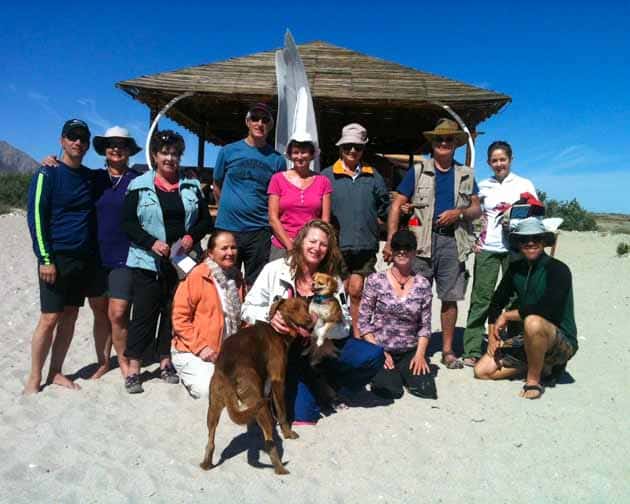
Priceless memories: Unlike material gifts, experiences appreciate over time. That story about swimming with dolphins becomes more valuable every time it’s retold.
Strengthened relationships: The bonds formed during shared adventures—particularly between grandparents and grandchildren—are irreplaceable. You can’t put a price on a teenager genuinely laughing with their grandfather.
Expanded worldviews: Children who experience pristine nature, different ecosystems, and wildlife conservation develop environmental ethics and broader perspectives.
Improved mental health: Time in nature reduces stress, anxiety, and depression for all ages. The mental health benefits of a week unplugged in wilderness extend long after returning home.
Family tradition established: The first trip often becomes an annual or biennial tradition. Families start planning “next year’s adventure” before the current one ends.
Skills and confidence: Children gain water confidence, teenagers discover hidden capabilities, adults push past comfort zones. Everyone returns home slightly transformed.
Legacy creation: When grandparents invest in these experiences, they’re not just funding a vacation—they’re creating family culture and values that will be passed to future generations.
Special Considerations for Large Family Groups
When you’re coordinating 12-18 people across three or four generations, extra planning ensures success:
Accommodations for Various Family Configurations
Couples need privacy: Grandparents, adult children, and even older teenagers appreciate separate sleeping spaces. Look for properties with:
- Multiple individual units (yurts, cabins, casitas) rather than shared dorm-style rooms
- En-suite bathrooms for each couple/family unit
- Enough space that families can have quiet conversations without being overheard
Small children need flexibility: Some eco-lodges offer:
- Kids’ lofts within parent yurts (accommodating families up to 18 people when small children share with parents)
- Connecting units for families with multiple children
- Pack-n-plays or toddler beds available
Singles and solo travelers: Not everyone arrives in pairs:
- Can solo travelers (single adult children, widowed grandparents) be accommodated without paying double occupancy penalties?
- Are there enough single beds/units for those traveling alone?
Meal Considerations
With 18 people, dietary needs multiply:
- Vegetarian/vegan options beyond salad
- Food allergies clearly communicated in advance
- Kid-friendly options that aren’t just chicken nuggets
- Cultural or religious dietary restrictions honored
- Enough variety that picky eaters find something each meal
Quality eco-lodges with experienced chefs can handle this, but advance communication is key.
Activity Coordination
Larger groups benefit from splitting up sometimes:
- Morning: Group A kayaks while Group B snorkels while Group C relaxes
- Afternoon: Everyone reconvenes for whale watching from boat
- Evening: Family dinner and campfire together
This approach lets highly active family members get their adventure fix while less active members don’t feel pressured or left behind.
Real Stories: What Families Experience
Names changed for privacy
The Rodriguez Family – Three Generations, 14 People: “My husband and I wanted to do something special for our 50th anniversary. Instead of a cruise for just the two of us, we invited our three kids, their spouses, and all seven grandchildren (ages 6-16) for a week at an eco-lodge. Best decision ever. Watching our granddaughter snorkel with sea lions—the pure joy on her face—made every penny worth it. Our teenage grandson, who barely talks at home, spent hours fishing with his dad and opened up about his fears about college. These conversations never happen at home. Now it’s become our thing—every two years, the whole family gathers for another adventure.”
The Chen-Murphy Sisters: “After our mom passed, my sister and I realized we’d only seen each other at holidays for a decade. We booked a private trip with our families—16 people total including our kids and spouses. That week reconnected us as siblings. We laughed until we cried, stayed up late talking like when we were teenagers, and our kids finally bonded as cousins should. We’re already planning the next one.”
The Williams Extended Family – Four Generations, 12 People: “At 82, I thought my adventure travel days were behind me. But my granddaughter convinced me to join this trip with my children, grandchildren, and great-grandchildren. I couldn’t do all the activities, but sitting on the boat watching whales with my great-grandson on my lap, explaining what we were seeing—I wouldn’t trade that for anything. And I snorkeled! First time in 30 years. They gave me a float vest and I paddled around seeing fish with my 9-year-old grandson. He held my hand the whole time.”
Beyond the Vacation: Lasting Impacts
The benefits of family adventure travel extend long after you unpack:
Environmental Stewards: Children who snorkel coral reefs or watch nesting sea turtles become adults who care about ocean conservation. Direct experiences with nature create lifelong environmental values.
Resilience and Confidence: Trying new things in supportive environments builds confidence. The teenager who conquers fear of ocean swimming returns home more willing to try other challenging things.
Family Language: Shared experiences create inside jokes, references, and stories that become part of family identity. “Remember when Uncle Mike fell off the paddleboard?” becomes shorthand for laughter and connection.
Future Traditions: Many families report that their adventure trip becomes an anchor—the event everyone plans vacations around. “We can’t do that week—it’s our family trip week.”
Gratitude and Perspective: Experiencing simpler living in remote places—where communities thrive with less material wealth but strong family bonds—gives children valuable perspective on what matters.
Documented History: Photos and videos from adventure trips become treasured family archives, especially poignant when grandparents age or pass. Those images of Grandpa teaching his grandson to cast a fishing line become priceless.
Addressing Common Concerns
“What if someone gets sick or injured?” Reputable soft adventure operators have:
- First aid trained staff and comprehensive first aid kits
- Communication systems to contact emergency services if needed
- Evacuation plans and routes clearly established
- Trip insurance recommendations for families
- Protocols for common issues (seasickness, minor cuts, sunburn)
“What if the weather is bad?” Quality operators:
- Choose destinations and seasons with historically good weather
- Have backup indoor/covered activities
- Adjust itineraries safely (never putting guests at risk)
- Understand that sometimes weather creates memorable adventures too
“What if family members don’t get along?” The structure of soft adventure travel actually helps:
- Separate accommodations provide space when needed
- Natural environment tends to calm conflicts
- Shared activities create positive interactions
- Flexible schedules mean people can separate temporarily if tensions arise
- Experienced guides often diffuse tensions with humor and redirection
“Is it really worth the cost?” Consider cost per memory created vs. cost per day:
- All-inclusive pricing means you know exact costs upfront
- When divided across 12-18 people, per-person costs become reasonable
- Zero hidden costs during the trip (no restaurant bills, activity fees, entertainment charges)
- When compared to theme parks, cruises, or resort vacations, cost is often comparable or less
- The transformational value far exceeds typical vacation ROI
Taking the First Step
If you’re a grandparent dreaming of gathering your entire family, or siblings wanting to reconnect, or parents hoping to give your children something beyond material gifts, family adventure travel offers a path forward.
Start small if a full week feels overwhelming—many eco-lodges offer 3-4 day trips. Test the waters (literally!) with just your immediate family before organizing the entire extended family. Or go big—some families report that their first gathering immediately became an irreplaceable tradition.
The key is taking that first step: having the conversation, researching destinations, reaching out to operators, and committing to the idea that experiences matter more than things.
Finding Your Perfect Soft Adventure Destination

What to look for:
- Boat or vehicle accessible (not requiring strenuous hiking just to arrive)
- Protected, calm waters for safe water activities
- Rich biodiversity providing varied wildlife viewing
- Comfortable climate during your travel window
- Stable, safe, welcoming political environment
- Proximity (within a day’s travel from your home base) to minimize exhausting travel with small children or elderly
- Pristine, minimally developed environments
- Small-scale, locally-owned eco-lodges rather than large resorts
- Destinations with migration patterns or seasonal wildlife events (whales, whale sharks, sea turtle nesting, bird migrations)
Questions to ask operators:
- What’s your maximum group size, and can we book privately?
- What’s the staff-to-guest ratio?
- What are your guides’ qualifications?
- How do you accommodate varying mobility levels?
- What happens if weather prevents planned activities?
- What’s included vs. what costs extra?
- Can you accommodate dietary restrictions?
- What’s your cancellation/rescheduling policy?
- Do you have references from other multi-generational family groups?
- How do you practice sustainable tourism?
A Real-World Example: Private Eco-Lodge Experiences
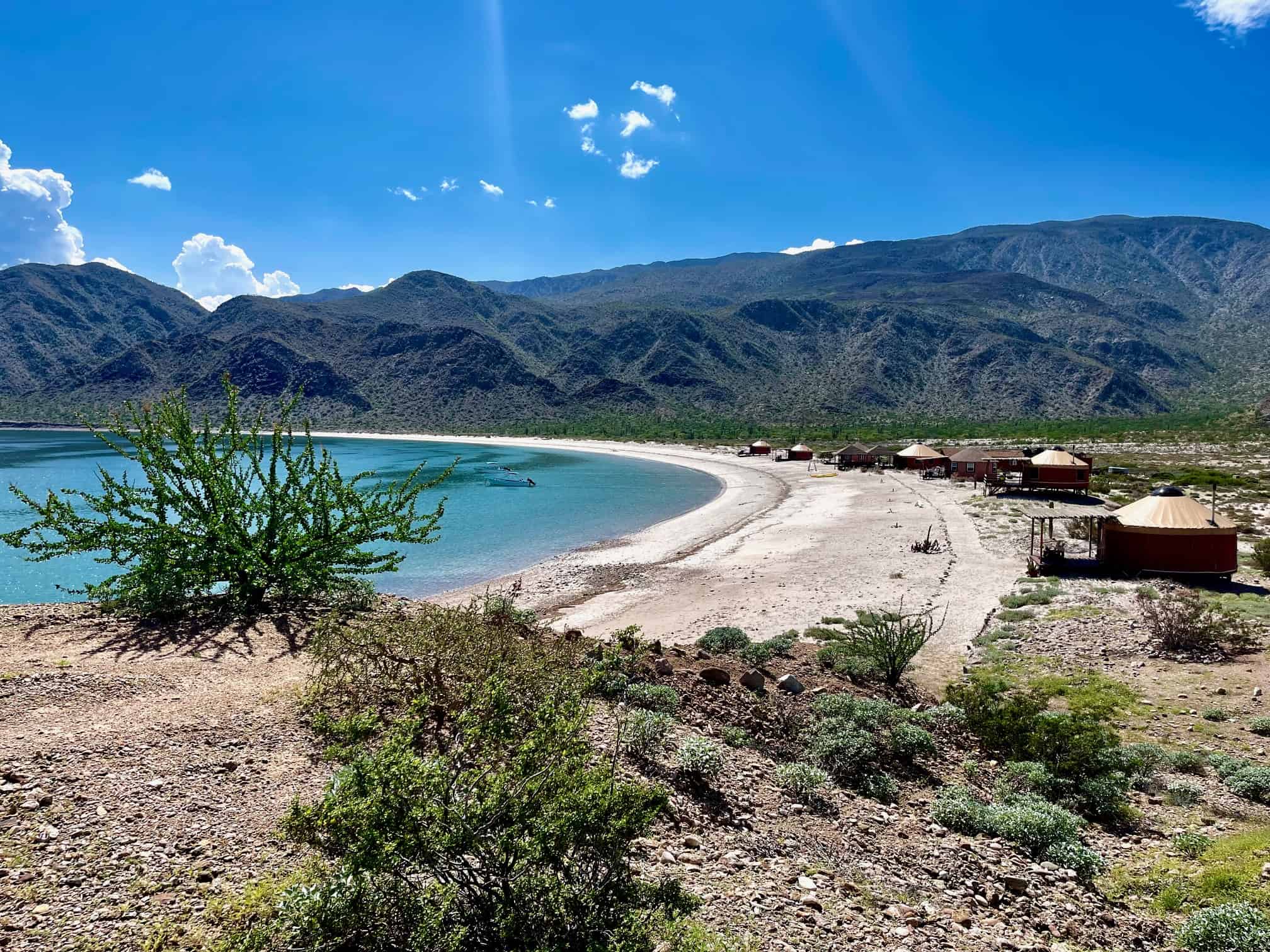
To illustrate what’s possible with family adventure travel, consider Las Animas Ecolodge on Mexico’s Sea of Cortez—a perfect example of soft adventure done right. This boat-accessible-only property sits within a UNESCO World Heritage site and features eight private beachside yurts with en-suite bathrooms, comfortable beds, and covered decks with hammocks overlooking pristine waters.
What makes it ideal for multi-generational families is the flexibility of private bookings. Outside of their scheduled group tour seasons (whale watching from February-April and whale shark snorkeling from August-November), families can book the entire property for themselves. This means:
- Complete privacy for your 10-18 family members
- Customized itineraries built around your family’s specific interests and mobility levels
- Flexible scheduling – sleep in if you want, adjust meal times for small children, plan activities around nap schedules
- Your own naturalist guide focused solely on your family’s experience
- Special celebrations integrated into the trip (milestone birthdays, anniversaries, family reunions)
Available for private bookings during spring (April-July), late fall (November-December excluding holidays), and even special holiday weeks where families want an alternative to traditional celebrations. The property accommodates up to 18 people when small children use the kid lofts within parent yurts.
This model—small-scale eco-lodges in pristine locations offering both scheduled small-group tours and private family bookings—represents the sweet spot for multigenerational adventure travel. You get professional operations with experienced staff, but the intimate scale and flexibility that large resorts or cruise ships simply cannot provide.
The Gift That Keeps Giving
In a world that increasingly fragments families—geographic distance, busy careers, digital distraction, generational divides—intentional time together in nature isn’t just nice; it’s necessary.
Family adventure travel offers a counterbalance to modern life’s centrifugal forces. It pulls families back together through shared wonder, mutual challenges, unplugged presence, and the timeless human joy of gathering around a fire to tell stories under stars that have witnessed family gatherings since time immemorial.
Whether it’s grandparents gifting their legacy through experience, siblings rebuilding bonds, or parents desperately seeking to really know their teenagers before they leave home, soft adventure travel delivers something our culture desperately needs: genuine connection.
The whales will still be there next year. The sea lions will still be playful. The stars will still shine brilliantly over remote beaches. The only question is: will your family be there together to witness it?
The time to plan your family adventure is now. The memories you create will outlast you, woven into your family’s story for generations to come.